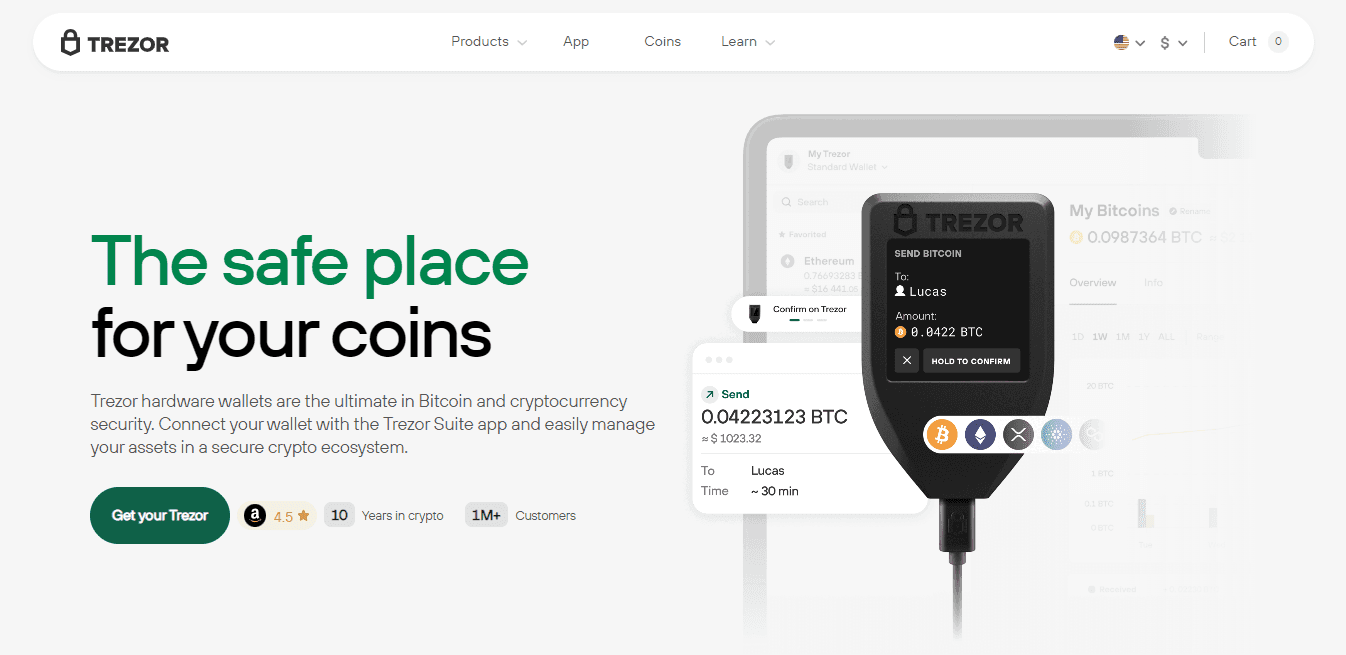
Trezor Bridge: Connecting Your Trezor Hardware Wallet to Your Devices

In the world of cryptocurrency, security is paramount. Hardware wallets like Trezor are designed to keep your digital assets safe by storing private keys offline. However, to interact with your cryptocurrencies on a computer or web application, you need a secure communication channel between your Trezor device and your computer. This is where Trezor Bridge comes into play.

What is Trezor Bridge?

Trezor Bridge is a small, lightweight software application that enables communication between Trezor hardware wallets and web browsers or desktop applications. It acts as a bridge—hence the name—allowing your computer to recognize and securely interact with your Trezor device. Without Trezor Bridge, browsers may struggle to detect the hardware wallet, making it difficult to manage cryptocurrencies safely.

Why is Trezor Bridge Important?

  1. Enhanced Security: By using Trezor Bridge, the private keys stored on your device never leave it. All transactions and sensitive operations are signed directly on the device, minimizing the risk of exposure to malware or hackers on your computer.

  2. Browser Compatibility: Modern web browsers have restricted direct USB access for security reasons. Trezor Bridge ensures your browser can still communicate with your Trezor device safely and efficiently.

  3. Cross-Platform Support: Trezor Bridge is compatible with Windows, macOS, and Linux, providing a seamless experience regardless of your operating system.

How Does Trezor Bridge Work?

When you connect your Trezor hardware wallet to your computer via USB, the browser or Trezor Suite (official Trezor software) sends commands to the device through Trezor Bridge. The bridge interprets these commands and ensures that the device receives them securely. This allows users to check balances, send or receive cryptocurrencies, manage wallets, and update firmware—all without compromising private keys.

Installation and Updates

Installing Trezor Bridge is simple. Users can download it directly from the official Trezor website. Once installed, it runs in the background whenever a Trezor device is connected. Trezor regularly updates the bridge to ensure compatibility with new browsers, operating systems, and firmware updates. Keeping Trezor Bridge up to date is crucial for maintaining both security and functionality.

Troubleshooting Common Issues

Sometimes, users may face issues where their Trezor device is not recognized by the browser. Common fixes include reinstalling Trezor Bridge, restarting the computer, or trying a different USB port. Trezor provides detailed guides and support resources to help users resolve these issues quickly.

Conclusion

Trezor Bridge plays a critical role in the Trezor ecosystem by enabling secure, reliable communication between your hardware wallet and your computer. It ensures that your cryptocurrencies remain safe while allowing easy access to wallet management features. For anyone using a Trezor device, keeping Trezor Bridge installed and updated is essential for a smooth and secure crypto experience.

Create a free website with Framer, the website builder loved by startups, designers and agencies.